


In today’s fast-paced lifestyle, many women in Malaysia experience ongoing health and wellness challenges that go beyond simple physical fatigue.
Common concerns among those searching for women stress relief Malaysia often include:
- chronic stress
- burnout from work and caregiving responsibilities
- poor sleep quality
- emotional fatigue
- hormonal changes related to lifestyle, age, or stress levels

As a result, women often explore different wellness approaches such as traditional massage therapies, spa treatments, and more holistic wellness systems.
1. Traditional Thai Massage: Physical Relaxation and Tension Relief
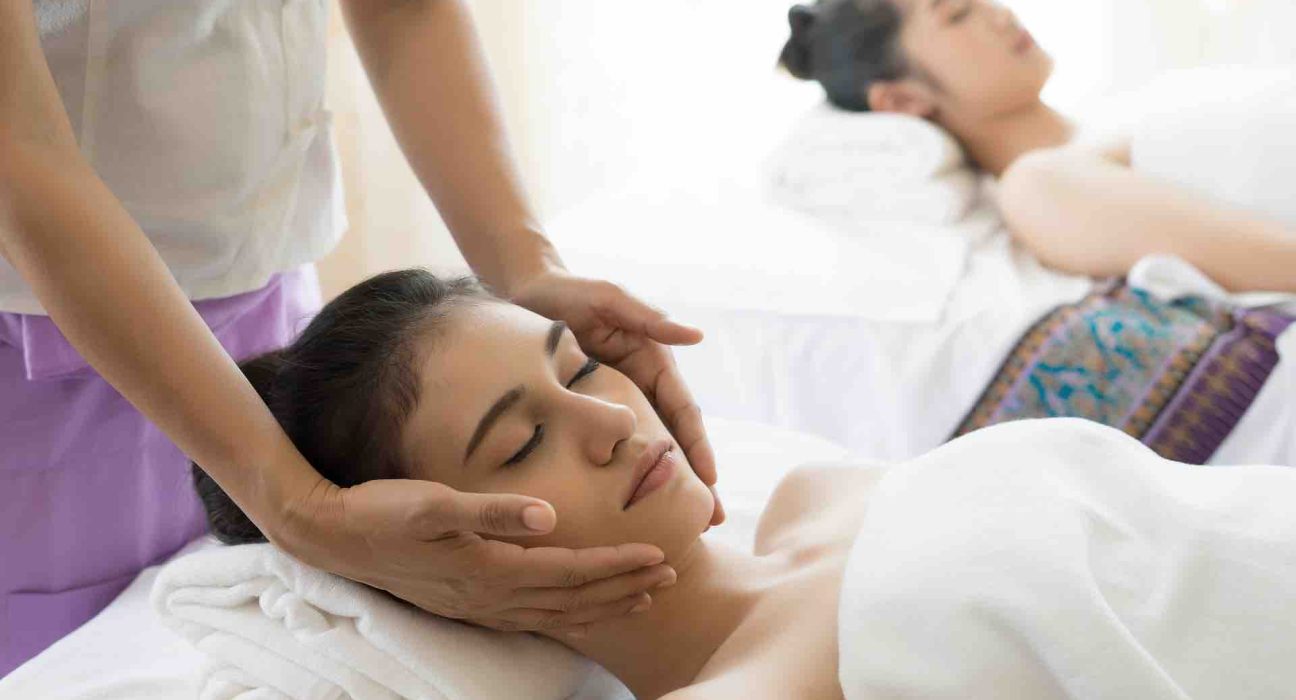
Traditional Thai massage is a widely practiced therapy focusing on stretching, pressure points, and muscle manipulation.
It is commonly used to support the body after physical strain or long periods of tension.
Common benefits:
- Relief of muscle stiffness and tension
- Improved flexibility and mobility
- Temporary stress reduction
- Enhanced blood circulation
This approach is generally focused on physical recovery and relaxation, making it suitable for short-term relief of body fatigue.
2. Spa and Massage Services: General Self-Care and Relaxation
Spa and massage services offered by traditional wellness providers typically focus on relaxation, comfort, and aesthetic well-being.
These services are often chosen as part of self-care routines to manage temporary stress or fatigue.
Typical outcomes:
- Relaxation and mental decompression
- Temporary emotional comfort
- Short-term improvement in wellbeing
- General body relaxation
While beneficial, these services are often experience-based, focusing more on relaxation than addressing long-term wellness patterns.
3. Holistic Women’s Wellness: Addressing Lifestyle and Emotional Health
Holistic women’s wellness focuses on how lifestyle, emotional wellbeing, and physical health are interconnected, rather than being separate aspects of health. This approach moves beyond short-term relief by considering how daily habits and long-term stress patterns influence overall balance.
Instead of treating individual symptoms in isolation, it emphasizes a more integrated understanding of the body and mind working together.
Core focus areas:
- Stress regulation and nervous system support
- Emotional awareness and recovery
- Lifestyle-related wellness habits
- Hormonal and life-stage considerations
- Mind-body integration practices
This approach reflects a broader view of wellness that extends beyond relaxation-based experiences toward long-term wellbeing support.
4. Comparison: Different Approaches for Different Needs
| Aspect | Traditional Massage & Spa Services | Holistic Women’s Wellness |
| Primary focus | Physical relaxation & comfort | Integrated mind-body wellness |
| Common use | Occasional self-care sessions | Ongoing wellness support |
| Key benefit | Immediate relief from tension | Support for recurring wellness concerns |
| Scope | Muscles and physical fatigue | Emotional, hormonal, and lifestyle factors |
| Experience | Service-based treatment | Holistic wellness approach |
5. Which Approach May Be More Suitable?
Different wellness approaches serve different purposes.
Traditional massage and spa treatments are often suitable for individuals seeking immediate relaxation, physical relief, or occasional self-care experiences.
Holistic wellness approaches may be more relevant for individuals dealing with recurring lifestyle-related concerns such as stress, fatigue, sleep difficulties, or emotional imbalance.
Many people choose to combine both approaches depending on their personal needs and lifestyle demands.
6. The Growing Shift in Women’s Wellness Needs
Women’s wellness in Malaysia is increasingly evolving beyond occasional relaxation services toward more intentional and preventive approaches to health. Rather than focusing only on short-term comfort, many women are now placing greater value on sustainable wellbeing strategies that support daily energy, emotional balance, and long-term lifestyle stability. This shift is also reflected in the rising interest in structured wellness programs, personalised care approaches, and women-focused wellness services that emphasise consistency rather than one-time relief.
Conclusion
Traditional Thai massage and spa treatments, as well as holistic wellness approaches, each serve different roles in supporting women’s health. Massage and spa therapies are primarily effective for short-term physical relaxation and stress relief, while holistic wellness approaches focus on long-term lifestyle balance and overall wellbeing management. Instead of viewing these approaches as competing options, many individuals benefit from integrating both based on their needs. The most effective wellness strategy is therefore not a single method, but a balanced approach that combines immediate relief with sustainable long-term health support.